
A small home often has more wall space than floor space, but most people store everything at waist height and below. The walls above your head hold a surprising amount of storage. When you use vertical walls well, a small home can feel organized without feeling crowded.
Think Up Before You Spread Out
Vertical storage works because it uses space that is already there and already empty. A shelf near the ceiling, a pegboard on a kitchen wall, and hooks on a door all hold real items without taking a single centimeter of floor. The floor stays open, and the room feels larger.
Start by looking at the walls in each room with fresh eyes. Notice the blank space above doors, above cabinets, and beside windows. Those spots are easy to forget, but they can hold shelves, hooks, and baskets that take pressure off the crowded lower storage.
Measure the wall space you plan to use, including:
- The height
- Width
- Any obstacles such as light switches
- Vents
A Shelf That Blocks a Vent
A shelf that blocks a vent or a switch will frustrate you every day. Plan around the fixed features of the wall, not over them.
Keep the items you use every day between waist and eye level, where they are easy to reach. Store items you use weekly a little higher or lower. Reserve the highest shelves for items you use once a season, such as holiday decor and luggage.
Use Shelves That Reach the Ceiling
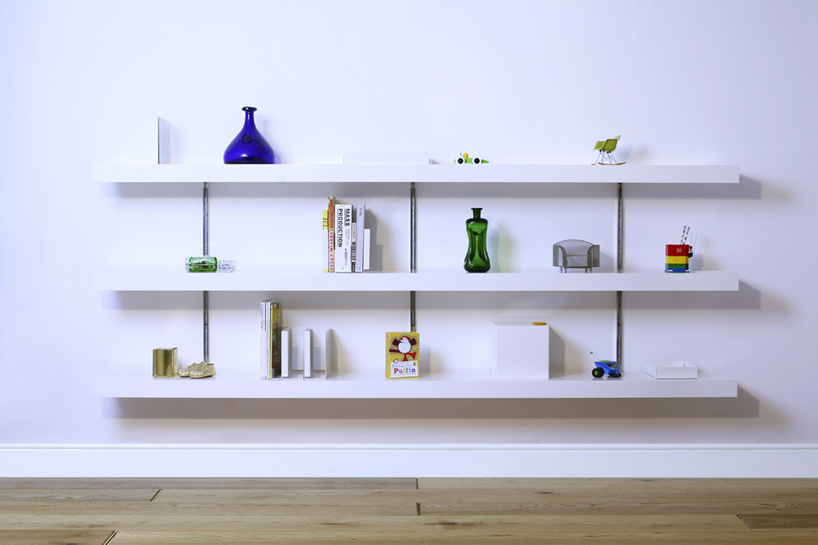
Install one or two shelves that reach close to the ceiling in a room that needs storage. A high shelf in a bedroom can hold books, boxes, and out of season clothes. A high shelf in a living room can hold baskets, games, and photo albums.
Use baskets and labeled boxes on high shelves so the shelf looks tidy. A shelf with ten loose items looks messy, while the same items in two baskets look planned. Labels help you find things without pulling every basket down.
Anchor every shelf into a wall stud or use strong wall anchors rated for the weight. A shelf full of books is heavy, and a shelf that pulls away from the wall is dangerous. Check the anchors once a year and tighten any screws that have loosened.
Hang a pegboard in the kitchen, office, or workshop to hold tools and supplies. A pegboard uses the wall to hold dozens of small items in clear view. Hooks, small shelves, and bins on a pegboard can be rearranged as your needs change. These ideas work in rentals as well as owned homes.
Hang Storage on Doors and Pegboards
Use the back of doors for storage that would otherwise sit on a shelf. A door rack in the pantry, a hook rack in the bedroom, and a towel bar on the bathroom door all use space that is already there. Door storage is ideal for small items that get lost on shelves.
Add a row of hooks near the entry for bags, coats, and hats. Hooks use the wall and keep items off the floor. One hook per person is enough for daily items, and extra items belong in a closet.
Use tall, narrow bookcases and cabinets that reach the ceiling instead of wide, low ones. A tall bookcase holds more in less floor space. A tall cabinet in a kitchen or bathroom does the same, giving you storage without crowding the room.
Go vertical in the kitchen with a magnetic knife strip, a hanging pot rail, and a wall mounted spice rack. These three items free up drawer, counter, and shelf space. A kitchen that uses its walls feels larger and easier to cook in.
Go Vertical in Every Room
Go vertical in the bathroom with a tall cabinet, a shelf above the toilet, and hooks on the door. A bathroom has very little floor space, so the walls must do the work. A shelf above the toilet holds towels and toiletries without taking floor space.
Go vertical in the bedroom with a shelf above the bed, a tall wardrobe, and hooks for tomorrow clothes. A shelf above the bed holds books and a small plant. Hooks beside the wardrobe hold the outfit for the next day, which saves morning time.
Keep a sturdy step stool in a small home so high storage stays reachable. A stool that folds flat can live beside the wardrobe or behind a door. High storage that you cannot reach safely is not storage, it is a hazard.
Keep High Storage Safe and Reachable
Store heavy items on low shelves and light items up high. A heavy box on a high shelf is hard to lift and dangerous if it falls. Keep heavy items where you can lift them with bent knees and a straight back.
Review your vertical storage once a season and remove anything that no longer belongs. A high shelf that fills with forgotten items stops being useful. A seasonal pass keeps the walls working for you, not against you.
A small home feels larger when the walls carry the storage and the floor stays open. Think up, install shelves and hooks with care, and keep daily items within reach. Vertical storage is the simplest way to make a small space work harder.
One good project leads to another. See where Earthy Tones: Designing Small Apartments takes you next.
Related Articles:
- Earthy Tones: Designing Small Apartments
- Beige Guest Room Furniture Arrangement: Ideas
- Luxury Attic Furniture Arrangement: Design Ideas
Designing your own space?
Tell us in the comments which idea you would steal for your home or project.
Share this with someone planning a build or renovation.