
Start With the Shoes You Actually Wear
A small entryway fills up fast because shoes are bulky, seasonal, and always in motion. The fix is not a bigger entryway; it is a storage plan that hides the shoes you do not need today and gives the pair you wear now a single, obvious home. When every pair has a place behind a door or inside a bin, the entryway looks calm even on a busy morning.
Begin by counting the shoes that actually live by your door. Most households find that two or three pairs per person cover daily life, while the rest can live in a closet or bedroom. Pull out the shoes nobody has worn in a month and move them elsewhere first. This single step often frees half the space you need.
Give each person one slot for the pair they wear most. A single shelf, one bin, or one section of a shoe cabinet is enough. When the rule is one pair out per person, the pile cannot grow back, and everyone knows exactly where their shoes belong when they walk in.
Keep a small mat or tray under the daily pair to catch dirt and wet soles. A tray with a lip keeps muddy water off the floor and makes the shoe zone look deliberate instead of messy. Wipe the tray once a week and the entryway stays presentable with almost no effort.
Choose Closed Storage Over Open Piles
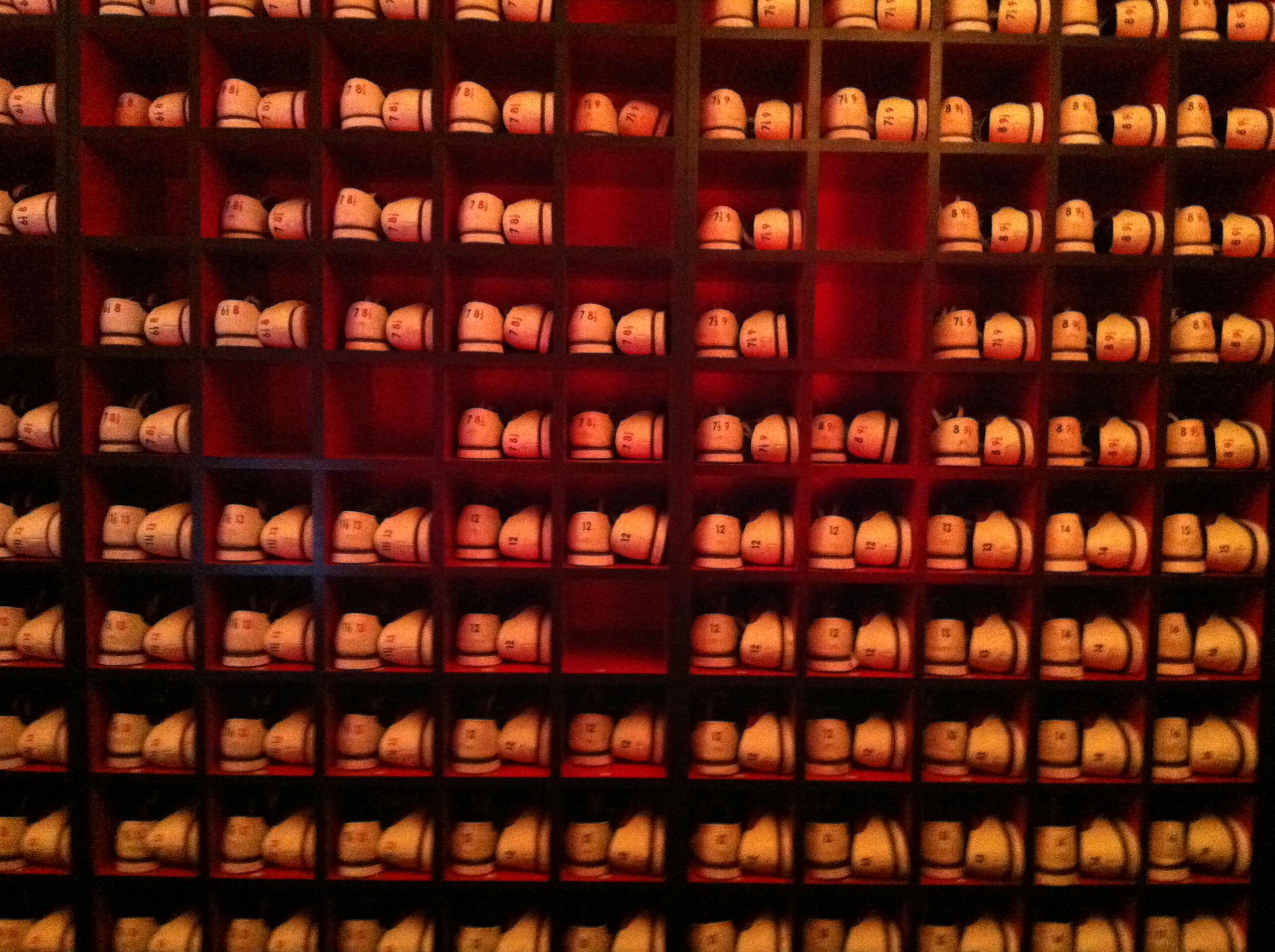
Closed storage beats open racks in a small entryway because it hides mismatched shoes and keeps the visual noise down. Measure your deepest shoe before buying so tall boots fit without forcing the door.
If you already own an open rack, hide it with a curtain, a fabric panel, or a simple wooden screen. The shoes stay easy to reach, but guests see a tidy panel instead of a jumble of footwear. Choose a fabric that matches the wall color so the cover blends in rather than drawing attention. These ideas keep the entryway calm because every pair of shoes has one visible home. Closed storage keeps every pair of shoes out of sight.
Store off-season shoes in labeled boxes on a high shelf or in another closet. Boots, sandals, and rain shoes do not need to occupy prime entryway space all year. Rotate the boxes when the season changes, and the entryway always holds only what the current weather demands.
Slippers and indoor shoes deserve their own small basket near the door. A basket with a lid looks neater and keeps dust off the contents.
Use the Wall and the Door
Walls carry storage that the floor cannot. A row of sturdy hooks holds bags, hats, and umbrellas at different heights, including a low hook that children can reach.
The back of the entry door can hold a slim organizer for small items such as:
- Keys
- Gloves
- Sunglasses
- Dog leashes
Over-door hooks and pockets use space that would otherwise sit empty.
Keep the Shelf Shallow, About Fifteen
Keep the shelf shallow, about fifteen centimeters deep, so it does not become a dumping ground. One small tray on the shelf corrals the loose items that usually scatter across the entryway.
Mirrors also earn their place in a small entryway. A mirror on the wall opposite the storage makes the space feel larger and gives you a last check before leaving.
Build a Drop Zone for Daily Gear
A drop zone is a single place where daily gear lands the moment you walk in. For most families it is a bench, a shelf, and three hooks. Bag goes on the hook, keys in the tray, shoes in the cabinet. When the routine is this simple, even children and guests follow it without being told.
Label the inside of cabinet doors or bins if several people share the entryway. Small labels prevent the slow drift where one person’s shoes colonize everyone else’s space. Labels also make it easy to spot when a bin is overfull, which is the signal to rotate shoes out.
Keep a donation bag in a nearby closet for shoes that no longer fit or never get worn. When you find a pair during the weekly reset that has not moved in weeks, it goes straight into the bag. This habit stops the entryway from slowly filling again after every cleanup.
Add one beautiful object to the entryway, such as a framed print, a small plant, or a scented candle. Keep the decoration small so it does not steal storage space.
Keep the System Working With a Weekly Reset
Once a week, spend five minutes resetting the entryway. Return stray shoes to their slots, empty the mail tray, wipe the shoe tray, and check that hooks are not overloaded. A short weekly reset prevents the slow slide back to clutter far better than a big cleanup once a season.
If the system stops working, the cause is usually one rule that no longer fits real life. Maybe the daily pair rule needs two pairs in winter, or the cabinet is too small for growing children. Adjust the rule instead of blaming the household, and the entryway will stay calm for the long term.
The payoff is a front door that opens onto order instead of a shoe pile. That calm is worth the small effort of keeping the system running.
Your project does not have to end with this page — Rustic Hallway Ideas: Cozy & Charming Designs shows a good way to carry it forward.
Related Articles:
- Rustic Hallway Ideas: Cozy & Charming Designs
- Luxury Mid-Century Modern Kitchen Island: Styling Your Entryway
- Industrial Entryway: Design Ideas & Inspiration
Designing your own space?
Tell us in the comments which idea you would steal for your home or project.
Share this with someone planning a build or renovation.